
Diwali: A Comprehensive Guide for Students
Introduction
Diwali, often called the “festival of lights,” holds a significant place in Indian culture. Celebrated with much fervor and delight, it is more than just a Hindu festival; it is a time when Indians of all backgrounds come together in a pure, joyous celebration of life. Through this blog, we will dive deep into the exquisite details of this festival, its inherent meaning, historical relevance, and the profound impact it has on our lives. So, whether you have always participated in Diwali celebrations or are hearing about it for the first time, this guide will illuminate your understanding of this beautiful festival.
The Historical and Cultural Significance of Diwali
The origin of Diwali is rooted in ancient Indian history, and it signifies many pivotal events in Hindu mythology. One popular belief is that Diwali marks the return of Lord Rama to Ayodhya, following his victory over the evil king Ravana. Thus, the grand illumination is a symbolization of the triumph of righteousness over sin. Additionally, in Jainism, Diwali symbolizes the Nirvana of Lord Mahavira, while in Sikhism, it celebrates the release of Guru Hargobind Singh from imprisonment. Thereby, Diwali is not just a religious festival but also an embodiment of rich Indian culture and history.
Preparation for Diwali: An Outburst of Excitement
In the lead up to Diwali, a palpable sense of excitement takes over. Homes and marketplaces are spruced up; vivid colors and lights decorate every nook and corner. Shopping for new clothes, sweets, and crackers is a common sight. Another integral part of the preparation is creating Rangoli, a vibrant floor painting made from colored powders, flowers, and rice. The act of preparing for Diwali itself is a form of building up the joy and anticipation for the big day.
Diwali: A Festival of Five Days
Diwali is not just a one-day event but spans across five days, each having its own set of rituals and significance. The first day, ‘Dhanteras,’ involves worshipping goddess Lakshmi for prosperity. The second day is ‘Narak Chaturdashi’ or ‘Choti Diwali,’ while the third and main day is when Diwali is celebrated with grandeur. The fourth day marks the beginning of the New Year according to the Hindu calendar, and the celebration concludes on the fifth day with ‘Bhai Dooj,’ celebrating the bond between brothers and sisters.
Diwali: A Beacon of Unity and Togetherness
No matter the religion, linguistic group, or regional differences, Diwali manages to bring people together. People visit friends and relatives, exchanging sweets and gifts, which in turn strengthen bonds deepens friendships and creates unity. This aspect of Diwali is particularly significant in a diverse country like India, showing how shared celebrations can seamlessly blend different cultures.
Diwali: A Festival Of Rejuvenation and New Beginnings
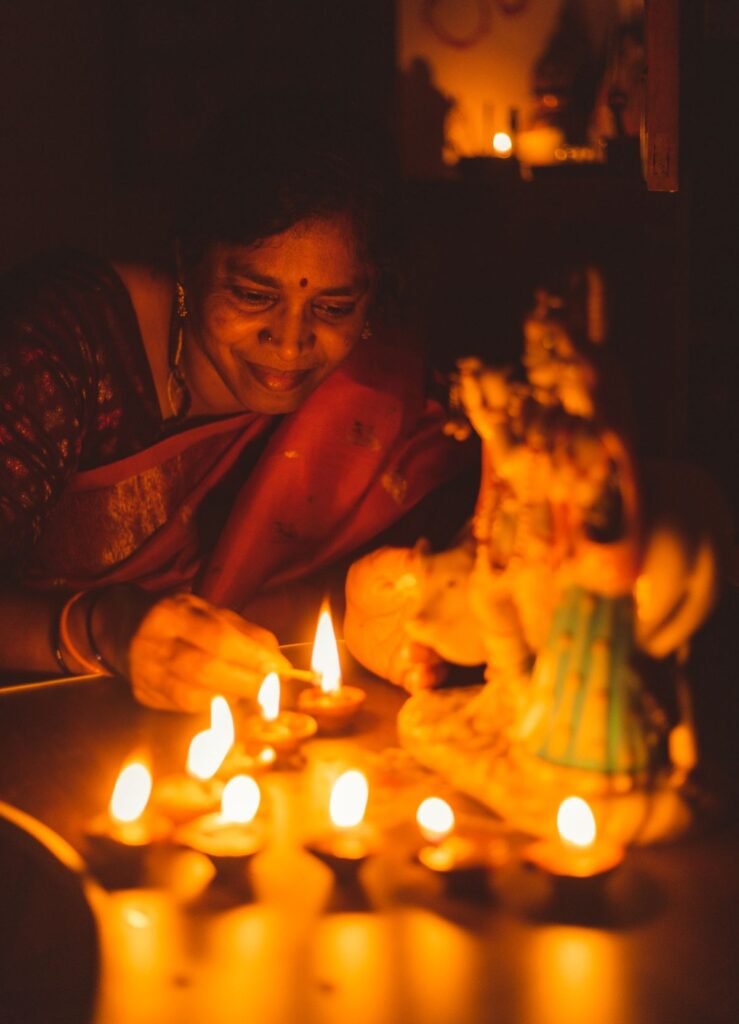
Diwali is seen as the commencement of a new beginning. People often start new businesses or ventures on this auspicious day. Moreover, it is a time of spiritual renewal. Through the lighting of Diyas (earthen lamps), prayers, and various rituals, individuals seek blessings from deities, express gratitude for the blessings received, and renew their commitments to the path of righteousness.
Spiritual Symbolism of Diwali
The luminous spectacle that Diwali is not just a visual treat but embedded with profound spiritual symbolism. The illumination from millions of Diyas signify victory of knowledge over ignorance and light over darkness. On this day, people are humbly reminded of the deeper truths of life and the need to uphold values of love, compassion and truth.
A Greener Diwali: A Need Of The Hour
Over the years, the celebration of Diwali has raised environmental concerns, primarily due to the use of firecrackers leading to air and noise pollution. In recent times, however, there has been a growing awareness and shift towards a greener Diwali. Many are now choosing to celebrate Diwali in a more eco-friendly way, such as using organic Rangolis, eco-friendly Diyas, and abstaining from firecrackers. This adaptability portrays the festival’s inherent flexibility, demonstrating that celebrations can be both delightful and responsible.
Conclusion
As we go about this enlightening journey, we understand the multifaceted beauty of Diwali. It is a specter of joy, illuminating communities with indefinable warmth, unity, and spirituality. Regardless of religion, language, or region, Diwali manages to create an inclusive circle of celebration and séance of unity. Now that we have delved deep into Diwali’s essence, one thing is clear: the age-old customs and traditions of this festival are profound and teach lessons that are timeless.
Frequently Asked Questions
1. Why is Diwali called the festival of lights?
Diwali is called the festival of lights because on this day, people light up Diyas (earthen lamps) and decorate their homes with lanterns and colorful lights. It signifies the victory of light over darkness and knowledge over ignorance.
2. How do people prepare for Diwali?
Preparation for Diwali includes various activities such as thorough cleaning of homes, shopping for new clothes, sweets, and gifts for loved ones, decorating houses and outdoor spaces, and making Rangolis. In a spiritual sense, people often prepare by engaging in fasting, meditation, and prayer.
3. What is the significance of Rangoli during Diwali?
Rangoli, a type of floor art made with colored powders, is an integral part of Diwali celebration. It is thought to bring good luck, and its vibrant patterns and colors add to the festive spirit. It also represents a warm welcome for the Gods and Goddesses.
4. How can we celebrate a greener Diwali?
Greener Diwali can be celebrated by avoiding firecrackers, replacing them with eco-friendly alternatives like soundless and smokeless firecrackers, using organic Rangolis, embracing LED lights for decoration rather than traditional Diyas, and opting for eco-friendly gifts.