
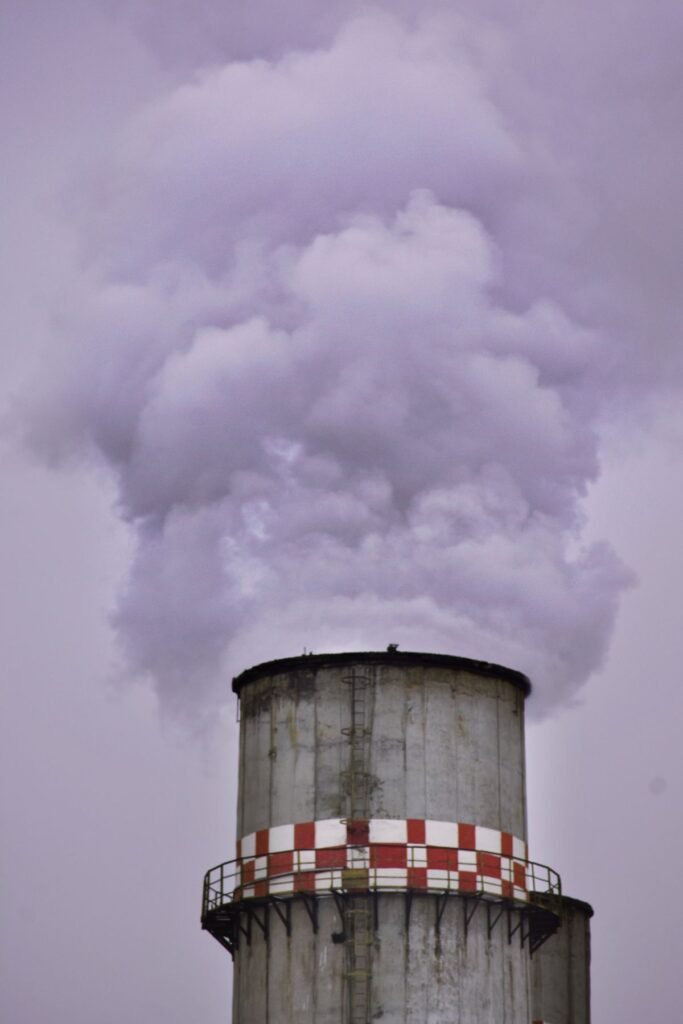
Pollution Essay: Causes, Effects, and Solutions Explained
Picture dense clouds of smog cloaking the skyline, garbage piles clogging the waterways, or landfills rapidly rising. These grim scenarios are stark reminders of the gnawing problem of pollution that continues to aggravate in our modern world. The question, however, is if we truly understand the grave implications of pollution and the numerous ways that its impacts signal alarm for the health of our society and our planet? In this comprehensive essay on pollution, we will delve into the causes, effects, and practical solutions of various forms of pollution. We aim to shed light on this pressing concern and inspire ways to curb it.
Environmental Pollution and its Many Faces
Pollution is not limited to the dense, gray smog resulting from industrial areas. It exists in various forms, each having unique causes and consequences. Let’s unravel the many faces of pollution to obtain a more comprehensive understanding of it.
Air Pollution
Air pollution occurs when harmful particles, gases, and biological molecules get introduced into the Earth’s atmosphere, causing diseases, death, and damage to living organisms and the environment. Deforestation, industrial processes, waste disposal, and vehicle emissions are the leading causes of air pollution. It results in respiratory diseases, impacts the climate, and disrupts ecosystems.
Water Pollution
Water pollution surfaces when hazardous substances get into water bodies, making them toxic to humans and the environment. Industrial waste, landfill leakage, and agricultural runoff are primary causes, settling into our oceans, rivers, and groundwater reserves. This type of pollution leads to the destruction of marine life, scarcity of freshwater, and adverse health effects on humans.
Land Pollution
Land pollution occurs due to the deposition of solid waste materials on land or underground that can contaminate the soil and groundwater. The culprits are often industrialization, waste disposal, overpopulation, and deforestation. The effects include soil degradation, health issues, and wildlife disruption.
Light Pollution
Light pollution refers to the excessive or obtrusive artificial light produced by human activities. This type of pollution often disrupts natural patterns and ecosystems, particularly for nocturnal wildlife, and can negatively impact human health by disrupting our circadian rhythms.
Noise Pollution
Noise pollution deals with excessive noise or noise that disrupts normal activities. While it might seem innocuous compared to other forms, chronic exposure to noise pollution can lead to a plethora of health issues including stress, sleep disorders, and cardiovascular issues.
The Impact of Pollution
Having identified the types of pollution and their causes, let’s explore their effects on our environment and ourselves.
Health Problems
The most immediate and significant impact of pollution is on human health. Air pollution can lead to lung cancer, asthma, and other respiratory diseases. Water pollution, on the other hand, can cause diarrhea, vomiting, and other waterborne diseases. Noise and light pollution can lead to stress and sleep disorders among other health issues.
Environmental Depletion
Pollution also has a devastating effect on our environment. It damages our natural resources – the very foundations of life on Earth. It wreaks havoc on our water bodies, causing the loss of marine species and contaminating our freshwater reserves.
Global Warming
Air pollution contributes to global warming, a long-term rise in the average temperature of the Earth’s climate system. It is a major issue that we face today, leading to melting ice caps, rising sea levels, and unnatural weather patterns.
Loss of Biodiversity
Many species are being pushed to extinction due to pollution. The toxic substances that penetrate into the habitats of wildlife disrupt their survival, contributing to the loss of biodiversity. As each species plays a significant role in maintaining ecosystem balance, this loss is deeply concerning.
Solutions to Pollution
Although pollution presents a bleak picture, plausible solutions exist to counteract its effects. By making conscious choices as individuals, societies, and nations, we can significantly deter the harmful impacts of pollution.
Eco-friendly Technologies
Adopting eco-friendly technologies is a great solution to combat pollution. Using renewable energy sources like wind and solar energy can significantly reduce our reliance on fossil fuels and consequently cut down air pollution. Wastewater treatment plants can help to solute water pollution by removing harmful chemicals from water resources.
Green Practices
Small changes in our daily lives can lead to major impacts. By practicing recycling, buying less, and aiming for zero waste, we can substantially decrease the amount of waste we generate, hence blocking further land pollution.
Environmental Education
Education is a powerful tool for influencing change. By increasing awareness about the harmful effects of pollution and the significance of sustainable living, we can encourage more individuals to adopt environmentally friendly practices.
Strict Legislations
Implementing strict environmental policies can limit pollution on a larger scale. By regulating industrial activities, reducing deforestation, and promoting reforestation, we can keep our environment clean, healthy, and green.
Final Thoughts
Pollution not only compromises our health and wellness, but it jeopardizes the wellbeing of our planet at large. However, by comprehending the causes, effects, and solutions, we can combat pollution collectively. We must remember that every small action counts, and even the simplest efforts at pollution-reduction can add up to significant changes. Let us not only face the truth about pollution but also embrace the solutions that unite us in our shared goal of a sustainable future.
FAQs About Pollution:
Q: What are the main causes of pollution?
A: Deforestation, industrial processes, waste disposal, excess use of plastics, vehicle emissions, and overpopulation are some of the main causes of pollution.
Q: How does pollution affect human health?
A: Pollution can lead to various health issues, including respiratory diseases like asthma and lung cancer, waterborne diseases like cholera and dysentery, and lifestyle-related health issues such as sleep disorders and stress.
Q: How can we prevent or reduce pollution?
A: We can prevent or reduce pollution by adopting eco-friendly technologies, practicing green lifestyles, spreading environmental education, and enforcing strict environmental laws.
Q: What role does the government play in controlling pollution?
A: The government plays a crucial role in pollution control by implementing strict environmental laws, promoting clean energy, and ensuring industrial waste treatment.
Q: How does recycling help reduce pollution?
A: Recycling minimizes the need for extracting, refining, and processing raw materials that cause substantial air and water pollution. It also reduces the amount of waste that goes to landfills, consequently limiting land pollution.