
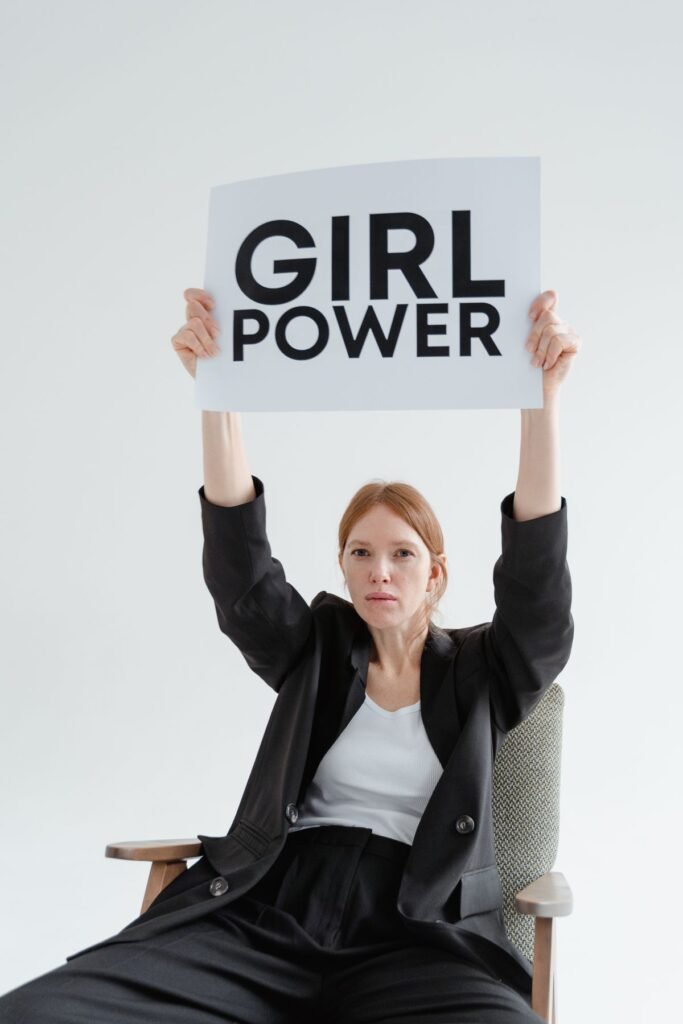
Women Empowerment Essay: Importance, Challenges & Solutions
Introduction
Empowerment refers to increasing the spiritual, political, social, educational, gender, or economic strength of individuals and communities. When it comes to gender empowerment, particularly women, concerted efforts must be directed towards uplifting the status and condition of women in society. This article takes an in-depth look into women empowerment, its significance, challenges faced, and the potential solutions to elevate women’s lives globally.
Understanding Women Empowerment
Women empowerment fundamentally means allowing women to make life-determining decisions through the different problems in society. It involves enabling women to take full control of their lives, both within and outside their home, and providing them with more autonomy in decision making.
Women empowerment can take the form of social, economic or political empowerment. Social empowerment might involve encouraging women to speak their voice and raising awareness of the rights they deserve. Economically, it could mean providing women with more opportunities for employment, businesses, and financial independence. Politically, it could mean increasing the proportion of women in positions of power and influence.
The Importance of Women Empowerment
Economic Growth
It has been proven by many studies that women’s participation in economic activities boosts national growth. Women bring unique perspectives and approaches to business, which can lead to greater profitability. Additionally, with increased income, women often invest in their children’s education, which yields long-term benefits to society.
Reduces Dependency
Empowered women contribute to the reduction of dependency in society. They have the potential to be income earners and have greater control over their lives, implying less reliance on men and society. Independence fosters confidence and enables women to contribute actively to their communities and nations.
Gender Equality
Women empowerment also leads to gender equality. In a patriarchal society, empowerment can counteract established biases and herald a change towards equality. Moreover, women empowerment ensures the respect and recognition of women’s rights, leading to a more balanced and just society.
Improving Health
Empowered women tend to have increased awareness and control of their reproductive health. They make better health decisions for themselves and their families, ultimately leading to healthier communities.
Social Development
Empowerment of women is a crucial aspect of sustainable social development. Violence against women, early marriages, exploitation, and discrimination can be effectively eradicated with the empowerment of women.
Challenges to Women Empowerment
Social Norms and Attitudes
Conservative societal norms and attitudes remain significant barriers to women empowerment. Many societies still subordinate women, making it difficult for them to rise to the challenges and claim their rights as equal members of society.
Economic Barriers
Despite some improvements, women still face numerous economic challenges. The wage gap is a significant issue with women earning considerably less than men for doing the same work. Furthermore, many women are engaged in unpaid work like childcare and household chores, leaving them less time for paid employment.
Political Barriers
Although there are monumental women figures in politics, women’s representation is still low in most countries. Women continue to face hurdles like gender discrimination, lack of resources, and societal expectations to their effective political participation.
Lack of Education
Education is a key driver of empowerment, and many women, especially in developing countries, are denied access to quality education. This disadvantage significantly hinders their potential for empowerment and overall life improvement.
Violence and Exploitation against Women
Despite advancements in law and societal awareness, violence and exploitation against women persist in many parts of the world. It creates physical and psychological barriers for women, preventing their development and empowerment.
Solutions to Women Empowerment
Focus on Education
Educating girls brings a multitude of benefits to the individual, the family, and the community. Governments and organizations should prioritize efforts to ensure all girls have access to quality education and encourage those who have dropped out to return.
Promote Economic Independence
Generating employment opportunities and promoting entrepreneurship among women is another way to empower women economically. Ministries should work towards developing programs that provide skills training, start-up resources, and affordable credit to women.
Legal Reformation and Enforcement
To address structural barriers in women empowerment, there is a need to reform laws and policies that hinder women’s progression. Laws against harmful practices, gender-based violence, discrimination, and those promoting women’s rights should be strictly enforced.
Increasing Women’s Participation in Politics
Increasing the proportion of women in governance and political platforms can bring about faster change and more attention to issues affecting women. Countries should work towards achieving more balanced gender representation in politics through programs such as quotas or awareness campaigns.
Changing Social Attitudes
Changing social attitudes toward women is critical for women empowerment. There is a need to challenge stereotypes, promote gender equality, and encourage mutual respect through education and socialisation processes.
Conclusion
Women empowerment is a crucial aspect of development and a fundamental human right. Despite the challenges, it is a fight worth fighting. Let’s ensure that we all participate in making this world a better place, where everyone has the same opportunities to grow and succeed.
FAQ Section
What is Women empowerment?
Women empowerment fundamentally means creating an environment for women to make life-determining decisions, enabling them to take full control of their lives, both within and outside of their home, and providing them with more autonomy in decision making.
Why is Women Empowerment important?
Women empowerment is crucial as economically, it fuels economic growth. It reduces dependency in society, leading to a more balanced distribution of resources. Women empowerment also paves the way to gender equality. Empowered women tend to be healthier and contribute to the overall development of society.
What are the Challenges to Women Empowerment?
Women still face a wide variety of challenges, including conservative societal norms and attitudes, economic barriers like wage gaps, political barriers like gender discrimination and a lack of representation, lack of education, and violence and exploitation.
What are the Solutions for Women Empowerment?
Solutions to women empowerment include emphasizing education, promoting economic independence for women, enforcing and reforming laws for women’s rights, encouraging women’s participation in politics and governance, and changing societal attitudes towards women.