
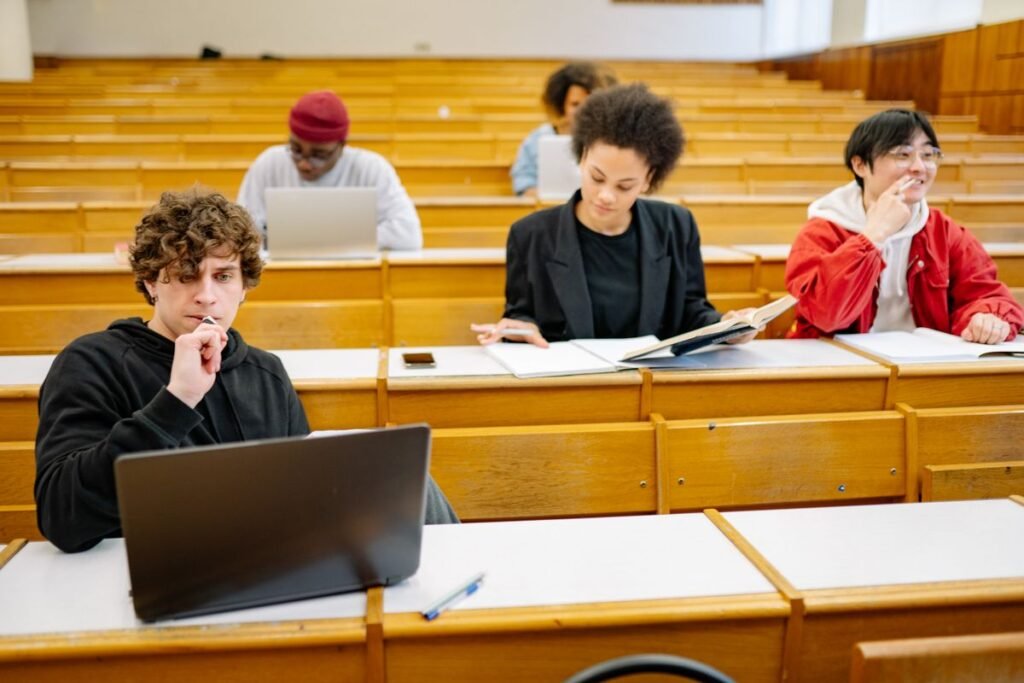
Education Essay: The Importance of Education for Students
Education, a universally acknowledged cornerstone for personal and societal progress, is often taken for granted in the modern era. Yet, reflecting on its importance is crucial to truly appreciate the value it brings to our lives. This blog aims to delve into the depths of education’s importance for students, exploring varied aspects and their implications in real-life scenarios. From personal growth to sustainable development, the impact of education is unmatched. In the following sections, herein, we’ll gradually unleash its multifaceted prowess.
Introduction: Education- The Axis of Growth
Education is like the North Star, guiding nations towards progress, prosperity, and enlightenment. It is instrumental in shaping individual personalities, fostering innovation, and driving societal change. Students are the young witnesses and beneficiaries of this transformative journey- the one that unfolds with every lesson, every class.
1. Foundation for Personal and Career Development
Under the well-structured curriculum of schools and universities, students acquire vital knowledge and skills that endorse progression in their personal and professional journeys. From learning the basics of reading, writing, and arithmetic, to exploring the intricacies of various scientific, technological, and arts-related subjects, they become well-rounded individuals, ready to conquer the world. Education is the very foundation upon which successful careers are built.
2. Pulls Out the Veil of Ignorance
Education illuminates minds, dispelling the darkness of ignorance and irrationality. For students, it plays a pivotal role in defining their cognitive abilities, enhancing their analytical prowess, and developing an informed perspective about various world issues. This ability to decipher complexity, gauge possibilities, and make wise judgments helps students throughout their lives.
3. Fosters Healthy Competition
Education instills a spirit of competition among students. They are evaluated using various parameters like examinations, presentations, projects, and co-curricular activities. This healthy competition not only encourages them to perform better but also teaches them to cope with pressure, manage time, set goals, and strive to achieve them.
4. Paves Way for Innovation
Centuries of development in every field, from medicine to technology, can be attributed to education. It lends students a platform to think originally, challenge stereotypes, push boundaries, and foster innovation. Every new idea, invention, and discovery is a testament to the power of education and the innovative minds it nurtures.
5. Encourages Social Responsibility
Education goes beyond textbooks and syllabuses; it imparts lessons of compassion, empathy, respect, justice, and responsibility. It teaches students to coexist harmoniously with diverse social, cultural, and religious groups, encouraging understanding and acceptance. Furthermore, education prompts students to recognize their roles in society and contribute with responsibility.
6. Promotes Equitable Growth
As a transformative tool, education can bridge the societal, economic, and gender divides that often plague communities. Equitable access to quality education empowers all students, irrespective of their race, gender, or social status, enabling them to compete fairly and claim suitable opportunities. The School Feeding Programs in Brazil or Bangladesh’s Female Secondary School Assistance Project illustrate the prowess of education in promoting equity.
7. Pivotal for Sustainable Development
The United Nations’ Sustainable Development Goal 4 highlights the significance of inclusive and equitable quality education for all, further emphasizing its role in fostering global development. For students, it opens avenues to contribute towards this larger goal, empowering them to make sustainable choices, foster conservation, and become responsible global citizens.
8. Ensures Healthier Lifestyles
Research has consistently linked education with healthier lifestyles. Educated individuals, more often than not, have a better understanding of nutrition, hygiene, and preventive healthcare. Furthermore, education fosters mental wellness, equipping students with emotional resilience and stress management skills.
9. Boosts Confidence
The knowledge and skills acquired through education empower students with self-confidence. This confidence is rooted in their ability to communicate articulately, problem-solve effectively, and make informed decisions. It is thus of no surprise that education is often referred to as the stepping-stone towards developing a strong, unbiased, and secure personality.
Conclusion—A World with Education is a World with Possibilities
Education is not merely about passing exams and collecting degrees; it is the transformation of hearts and minds for the better. The importance of education for students cannot be overstated; it is the beacon of light that guides them through the darkness, the key that unlocks countless opportunities. As we usher in an era of unprecedented changes, education will remain our most influential ally, enabling us to adapt, evolve, and thrive. Therefore, every student must embrace education—not as an imposition but as a privilege—a powerful tool to craft the future they desire.
FAQs on the Importance of Education for Students
Why is education essential for career growth?
Education equips students with the knowledge and skills required in various job roles. It fosters analytical thinking, communication skills, and problem-solving abilities, essential for all professional fields. Furthermore, most employers prefer candidates with a solid educational background, which gives a competitive edge in the job market.
How does education enable innovation?
Education encourages a culture of inquiry and discovery. It prompts students to think critically, question existing practices, and seek improved solutions. This knack for exploration and invention fosters innovation in numerous fields.
How does education contribute to societal development?
Education encourages equality, empathy, respect for diversity, communal harmony, and social responsibility. By instilling these values in students, education promotes social development and cohesive societies.
Can education lead to better health?
Yes, numerous studies indicate that education can lead to better physical and mental health. Educated individuals are typically more aware of preventive healthcare, hygiene, and nutritional needs. Additionally, education fosters mental wellness by equipping students with stress management and emotional resilience skills.
How can education foster sustainable development?
Education plays a critical role in sustainable development by creating awareness about environmental conservation, responsible consumption, and sustainable lifestyles. Knowledgeable, educated students can effectively contribute to the conservation of resources and foster sustainable growth.
Thus the importance and impact of education are far-reaching, transcending personal growth to societal and global progress. Empowering every student with quality education is our key to creating a future filled with wisdom, excellence, and prosperity.